Where we come from · আমাদের জন্মভূমি
Sujanagar, Barlekha, Moulvibazar
Sujanagar is a union (Union No. 9) in Barlekha thana (upazila), Moulvibazar District, in the Sylhet Division of north-east Bangladesh. Our elders also know the area by two older names: Azimganj (আজিমগঞ্জ) and Fatary.
Its villages lie between the forested Patharia hills and Hakaluki Haor, one of the largest wetlands in Bangladesh, home to fishing communities and huge flocks of migratory birds every winter.
Barlekha is a land of tea gardens, hills and rivers, and of the famous Madhabkunda waterfall. But Sujanagar is known above all for one thing: the fragrance of agar and attar.
The union’s villages include Sujanagar, Saldiga, Barthal, Hashimpur, Rafinagar, Baghmara, Terakuri and Chintapur.
22,279 people in Sujanagar Union (2011 census), across 2,042 hectares
18 tea gardens across Barlekha Upazila
282,452 people in Barlekha Upazila (2022 census)
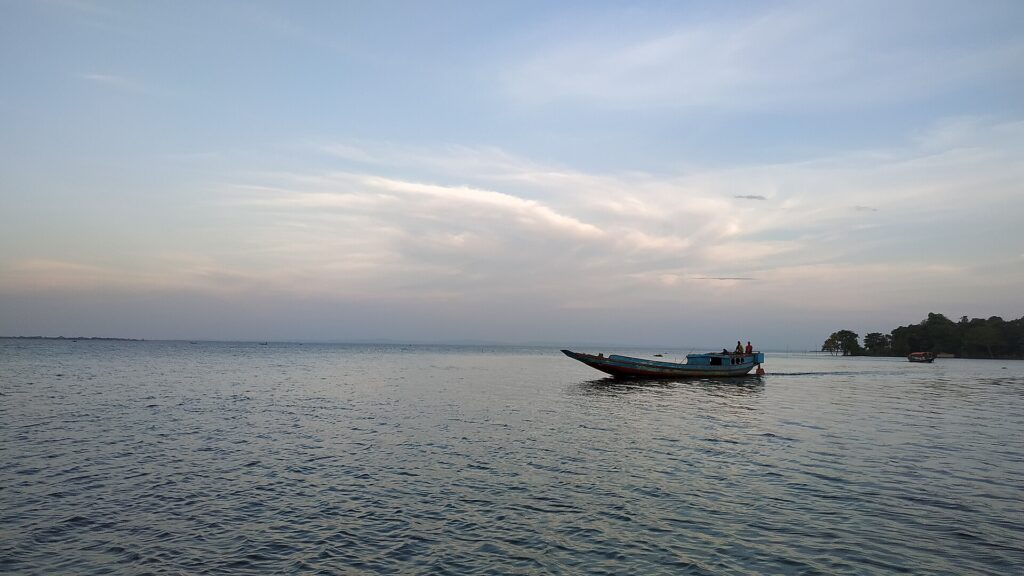
Photo: Khowshik Bhowmik, CC BY-SA 4.0, via Wikimedia Commons
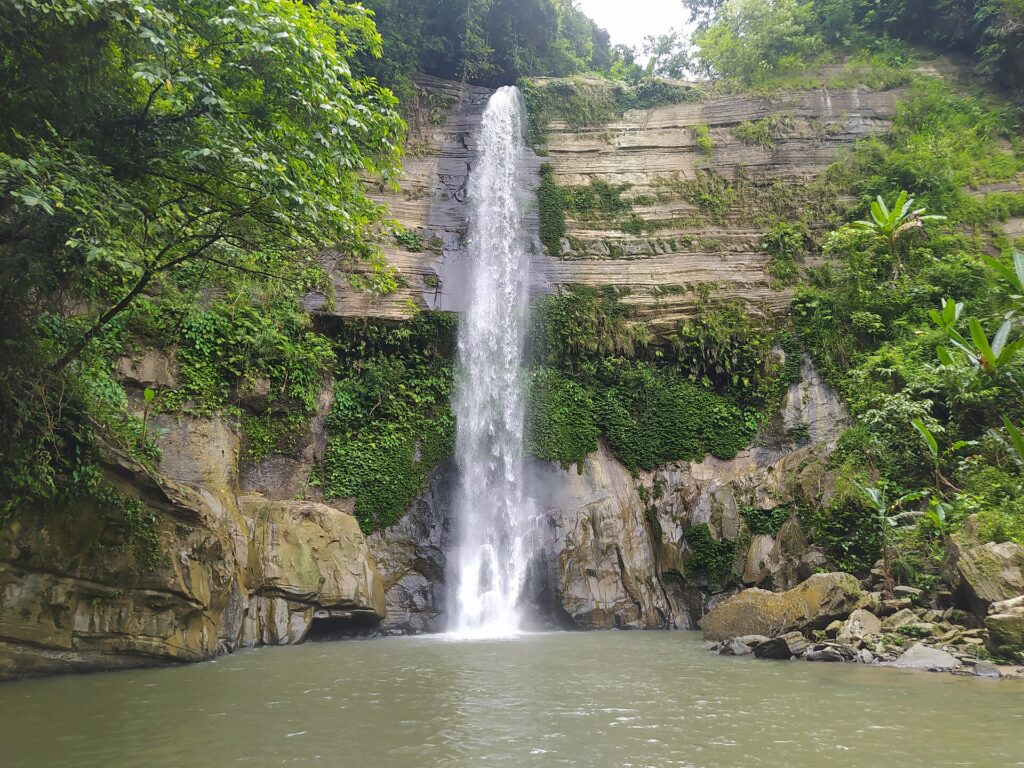
Photo: Saifulissohel, CC BY-SA 4.0, via Wikimedia Commons
আগর-আতরের দেশ সুজানগর
The story of agar and attar
Agarwood (agar) is a rare, fragrant resin formed inside the Aquilaria tree. Distilled into oil, it becomes attar, one of the most treasured perfumes in the Muslim world, often called “liquid gold”.
- 7th century The Sanskrit text Harsha Charita records agarwood and attar from this region being sent as a royal gift by King Bhaskar Varman.
- 8th–9th centuries Arab traders carry agar from the region across the Indian Ocean trade routes.
- 1590 Abul Fazl’s Ain-i-Akbari, the record of Emperor Akbar’s court, describes agarwood, agar oil and the extraction of attar.
- British era Family distilleries flourish. Before Partition, Sujanagar had around 300 factories, far more than anywhere else in the region.
- Until the 1950s The world depended largely on Sylhet, and especially Barlekha, for agar and attar.
- Today Around 250 small and medium factories operate in Sujanagar Union, and more than 35,000 people depend on the industry. Attar and agarwood are exported to Saudi Arabia, the UAE, Qatar, Kuwait, Oman and beyond.
- 12 February 2024 Moulvibazar’s agar-attar is officially recognised as a Geographical Indication (GI) product of Bangladesh.
How attar is made
A craft passed down through generations of Sujanagar families.
1
Grow
Agar trees grow beside homes, along roads and on more than half the land of the union.
2
Wound
Iron nails are driven into the trunk. Over three to five years, the tree forms dark, fragrant resin.
3
Soak
The resinous wood is cut into chips and soaked in water for weeks or months.
4
Distil
Slow steam distillation in steel pots draws out the precious oil, drop by drop.
Pure oud to the world · খাঁটি আগর-আতর
From Sujanagar to every corner of the Middle East
For generations, the people of Sujanagar have carried their craft abroad. Sujanagar families run attar and oud businesses across the Middle East, supplying pure oud oil and agarwood to Saudi Arabia, the United Arab Emirates, Qatar, Kuwait, Oman, Bahrain and beyond.
Many of the fragrances sold in the markets of the Gulf begin their journey in the family distilleries of Sujanagar. This trade connects our villages to the wider Muslim world and supports thousands of families back home.
- Saudi Arabia
- United Arab Emirates
- Qatar
- Kuwait
- Oman
- Bahrain
Culture and community · সংস্কৃতি ও সমাজ
Faith, family and fragrance
Life in Sujanagar has long revolved around faith, family and the land. Mosques and madrasas sit at the centre of village life, and many homes have their own small distillery, where men and women work side by side. Attar is part of everyday worship and celebration, worn for Jumu’ah and Eid and given as a gift of honour.
The haor shapes the seasons: flooded in the monsoon, it becomes a vast inland sea; in the dry season it turns to green fields and fishing beels. Like the rest of Sylhet, the area is known for warm hospitality, the Sylheti language and a deep love of home that its people carry wherever they go.
Education · শিক্ষা প্রতিষ্ঠান
Schools and madrasas of Sujanagar
Education is at the heart of our community’s hopes. These are some of the institutions that serve Sujanagar’s children and young people.
ছিদ্দেক আলী উচ্চ বিদ্যালয়
Chhiddek Ali High School
One of the main secondary schools of Sujanagar Union, educating generations of local boys and girls.
সুজানগর বালিকা উচ্চ বিদ্যালয়
Sujanagar Girls High School
A newly established girls’ high school in Hashimpur. Work on its academic buildings began in 2021, funded by members of the Sujanagar community living abroad.
জামিয়া ইসলামিয়া দারুল উলুম আজিমগঞ্জ
Jamia Islamia Darul Uloom Azimganj
A leading Islamic seminary in the union, teaching the Qur’an, Hadith and Islamic sciences.
Sujanagar is also served by Sujanagar Ideal Alim Madrasa, Sujanagar Patharia College and several government primary schools. Can you help us add their history? Get in touch.

From Sujanagar to Britain · প্রবাসে সুজানগর
Our story in the UK
Like most British Bangladeshis, our families trace their roots to the Sylhet region. Over the generations, people from Sujanagar settled across Britain, building new lives while staying close to home through family, faith and community.
In 2017 we came together as Sujanagar Association UK, to unite our community here and to give back to the villages we come from. Our logo carries both flags, the green and red of Bangladesh and the Union Flag, because we belong to both.
Do you have photos or memories of our community’s history? We would love to add them here. Get in touch.
Sources
- The Business Standard: Bangladesh’s agar-attar hub, the timeless scent of Sujanagar
- Wikipedia: Barlekha Upazila
- Sujanagar Union Parishad (official portal)
- উইকিপিডিয়া: সুজানগর ইউনিয়ন, বড়লেখা
- Photos from Wikimedia Commons, used under their Creative Commons licences (credits under each photo)